Hearing loss is a sneaky health condition; while it can affect anyone at any age, and is virtually ubiquitous among older adults, it comes on gradually, making it difficult to detect. Moreover, many people who have noticed symptoms of hearing loss delay seeking treatment, some waiting ten years or more. Here are some ways to know that it’s time for you to get your hearing tested.
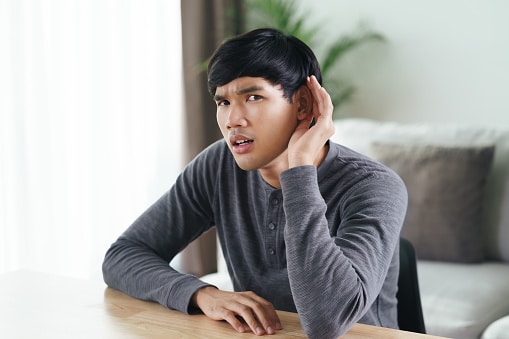
Early Warning Signs
At Lakelands ENT, we don’t want you to wait ten years to seek help. We strongly recommend that you seek help for hearing loss as soon as you notice the early warning signs. This is because hearing loss continues to develop, but you can slow its progression by taking action sooner rather than later. Here are some of the common warning signs:
- Asking people to repeat themselves often
- Mishearing words and phrases
- Turning the television or radio up
- Missing sounds, such as alarms or the phone ringing
Your Loved Ones Are Concerned
Communication is a two-way street. Maybe you haven’t noticed any of the early warning signs (our brains are very good at adapting, often without us realizing it), but people around you may have. If your loved ones have gently suggested to you that they’ve noticed you don’t seem to hear them as well as you used to, or that you’ve turned the TV volume up to high for everyone else in the room, take that suggestion into consideration.
Feelings of Overwhelm, Frustration or Fatigue
Our ears collect sound information, but it is the brain—specifically, the auditory cortex in the temporal lobe—that processes and perceives it. For people without hearing loss, it can be done easily, but for those with hearing loss, processing sound becomes harder, and the brain must expend more of its valuable energy resources.
If the brain is using more energy to perceive sound, it has less to perform other tasks, such as concentrating or regulating emotions. As a result, you may feel overwhelmed in complex listening environments, more easily frustrated if you misunderstand something or exhausted after a long day of listening.
Checking Regularly
Another indication that it might be time for a hearing test is your age. As mentioned above, hearing loss is virtually ubiquitous in older adults, affecting approximately 65.3% of adults age 71 and older, with prevalence rising with every decade of life.
We recommend getting your hearing checked every year or two after you turn 65. This way, even if you don’t have any symptoms, you can establish a baseline for your hearing abilities and monitor for even the most subtle of changes as you age.
How to Schedule a Hearing Test
At Lakelands ENT, we can perform a comprehensive hearing examination to determine whether you have hearing loss and, if so, the type and configuration of your hearing loss. We can then work with you to build a customized hearing loss treatment plan that brings you the hearing that you deserve and keeps you connected to the world around you.
Call Lakelands ENT today to schedule an appointment or learn more.
