It is time yet again for our sidewalks and cars to be coated in yellow, dusty pollen. Allergy season can be brutal here, with months straight of sneezing, itching and hay fever. Let’s talk about the allergy environment of our beautiful town.
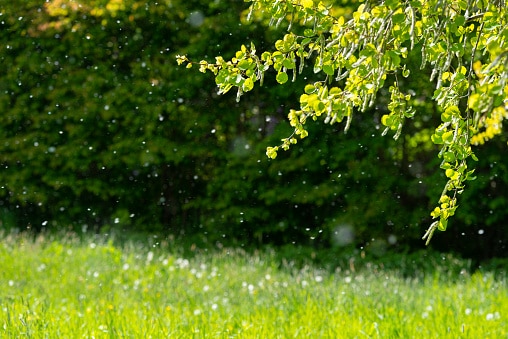
Why Spring Allergies Are So Common in South Carolina
If you’ve lived in South Carolina for a while, you’re probably aware that we’re consistently ranked as one of the worst states for allergies. The warmer climates and subsequent longer warm seasons combined with the beautiful native plants and trees make for high concentrations of pollen, a nightmare for the 25% of adults who suffer from seasonal allergies1.
The Most Common Spring Allergy Triggers in the Lakelands
Starting in early spring, the biggest pollen producers in the area are trees, specifically pine trees, but oak, cedar, willow and birch trees aren’t blameless. The trees start releasing pollen in mid- to late-February and peak in March and April.
As spring progresses, grasses release their pollen in turn. For many people, grass is the biggest allergy nuisance. Grasses like Bermuda, rye, fescue, bent and sweet vernal grass are often used in landscaping or as an alternative to hay for livestock, so they’re widespread around here, meaning that they release pollen like a tsunami.
How Local Weather Affects Your Symptoms
Our mild Southern climate means that our winters aren’t brutally cold, heavy snowfall is rare and the average last frost date is relatively early compared to other places in the U.S. As a result, the growing season starts early, and with tenacity, and according to the Asthma and Allergy Foundation of America, allergy season is getting worse every year.2
Additionally, pollen spreads on the wind. We don’t get very many strong winds here, so the pollen tends to hover in place, land quickly and cling to whatever passes by. In this manner, pollen can “pile up” without getting whisked away on a breeze.
Signs Your Seasonal Allergies May Need Medical Attention
It’s common to self-medicate for allergies with over-the-counter medications and avoiding your triggers, but that doesn’t always work. For some, symptoms persist even with medication, grow more severe every year or even become life-threatening. If you fall into this category, it may be time to seek medical attention.
Our skilled team of allergists at Lakelands ENT are handy with the latest allergy treatments and would be happy to create an allergy management plan that works for you and your needs. Contact us today to learn more!
Learn More
1 U.S. Centers for Disease Control and Prevention. (2020, February 21). FastStats. CDC. https://www.cdc.gov/nchs/fastats/allergies.htm
2 Asthma and Allergy Foundation of America. (2026). 2026 Allergy Capitals. AAFA. https://aafa.org/wp-content/uploads/2026/03/aafa-2026-allergy-capitals-report.pdf
